
A self-drive safari in Kenya is a fascinating place inhabited by fascinating people and brimming with rich cultures, while its wide variety of parks are overflowing with an unprecedented density of wildlife. Kenya is the original land of the safari.
It is here that the likes of Karen Blixen and Ernest Hemingway pioneered the original early 20th century hunting safaris that eventually morphed into the more populist and eco-friendly photographic safari as we know it today.
And it was also Kenya that first established itself as something approaching a mass safari destination, back in the 1960-70s – a circumstance that has led to it being labelled as being more commercialized and touristy than many other top African safari destinations
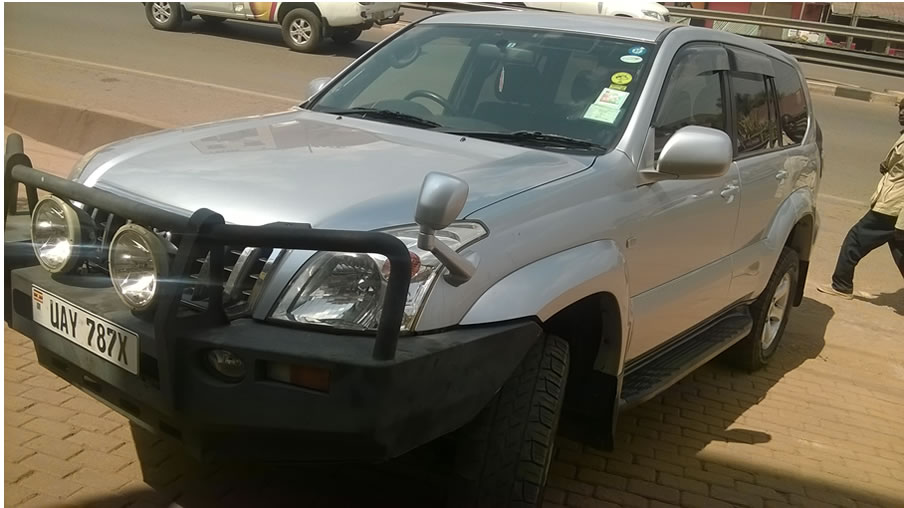
Kenya offers self-drive safaris in its national parks, and with 4×4 Car Hire Uganda you can rent a reliable 4×4 vehicle. They have a fleet of safari vehicles from land cruiser, TX, GX, V8, with add on’s such as rooftop tents, roof racks, and pop up roofs.
Flying between the major parks is much quicker than the long drives, but doing so misses the rural areas, massive farm lands, and the towns at major intersections where locals sell almost everything along the roadways, including the freshest of fruit and vegetables.
Going by car or self-driving, you share the road with a variety of transportation from trucks, large buses, crowded vans that travel between somewhere and somewhere else, donkey carts and small motorcycles that carry people and their lives.
The Masai Mara National Reserve was the first place I ever went on safari and I saw the Big 5 on day one within about 3 hours. But sadly, this particular experience was slightly tainted by the swarm of vehicles that quickly descended on any interesting sighting.
In the Masai Mara, the annual wildebeest migration, usually from July to October, is surely the greatest wildlife show on earth, an astonishing spectacle on an astonishing scale and the like of which you’ll see nowhere else on the planet.
Amboseli National Park
Self-driving safaris driving in Amboseli make you want to back again and again. Mt Kilimanjaro may lie in Tanzania but the best views of Africa’s highest mountain are from Amboseli. Elephants, long-tusked and large, are an Amboseli specialty, I’ve never been as close to elephants as I have in Amboseli National Park and the sight of them crossing the plains or wallowing in the swamps with Kilimanjaro behind is an iconic East African safari image.
Lions, too, are commonly sighted, often within a short distance of the lodges in the center of the park, as are giraffe, zebra and various antelope species; the open plains are classic cheetah country and I was lucky enough to see a family of five last time I visited. For a park of its size, Amboseli hosts astonishingly rich birdlife with 370 recorded species, almost one for every square meter of the park.
Far more rewarding, in fact, were other trips to some of the lesser known gems. These included the picturesque Lake Nakuru National Park, with its abundance of rhinos and the millions of flamingoes that cover the lake’s surface in a great pink cloud. During one recent short day’s safari, I saw black and white rhino (the park is home to almost 150 rhinos), leopard, lion (including tree-climbing lions) and buffalo, not to mention the highly endangered Rothschild’s giraffe (no patterning below the knees), black-and-white-colobus monkeys and abundant birdlife. Some years, vast flocks of pelicans and greater and lesser flamingos turn the lake pink. Rhinos are also often seen sloughing around in the mud close to the lake shore.
Tsavo East National Park, Kenya’s largest national park at 11,747 square kilometers, Tsavo East is a compelling slice of wilderness situated at the core of a vast block of contiguous conservation areas among them Tsavo West on the opposite side of the Nairobi-Mombasa Highway. In my experience, game viewing here is rather patchy. Some areas are excellent, most notably the Voi River Circuit near the eponymous entrance gate.
Here, you’re almost sure to see the reserve’s trademark ‘red’ elephants – their colour attributable to the orange dust characteristic of the area – and might also encounter dry-country antelope such as Grant’s gazelle, fringe-eared oryx and gerenuk. I’ve also had good cheetah and rhino sightings in the area.
Tsavo East is one of my favourite birding sites in East Africa, as it offers the opportunity to see a number of localized dry-country beauties – among them the golden pipit, rosy-patched bush-shrike, northern carmine bee-eater and golden-bellied starling.
Another area of interest is the palm-fringed Galana River (Kenya’s second largest), which divides the public part of Tsavo East from the remote wilderness area to the north. There are several viewpoints from where hippo can be seen, along with water-associated birds such as African skimmer, palm nut vulture and African fish eagle. Overall, this park may not offer the best game viewing in Kenya, but it rates highly for a sense of untrammeled wilderness.
For the most part, the urban areas are overpopulated and unattractive, and tourists will have to deal with a lot of hassle from local vendors if they want to explore on foot. Nairobi has some good restaurants and nightlife and is a good place to stock up on curios before heading home, but it’s noisy and sometimes just plain scary.
The coastal towns, too, are sometimes overpopulated and sport a little too much tourist kitsch, but the coastline itself is stunning and makes Kenya, like neighboring Tanzania, a good “combination” destination.

1,471 comments